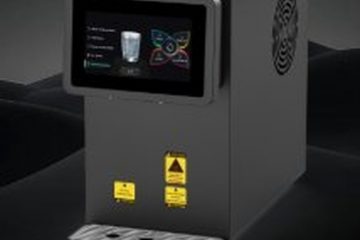
Let the Sample Do the Selling: What to Put on the Showroom Counter

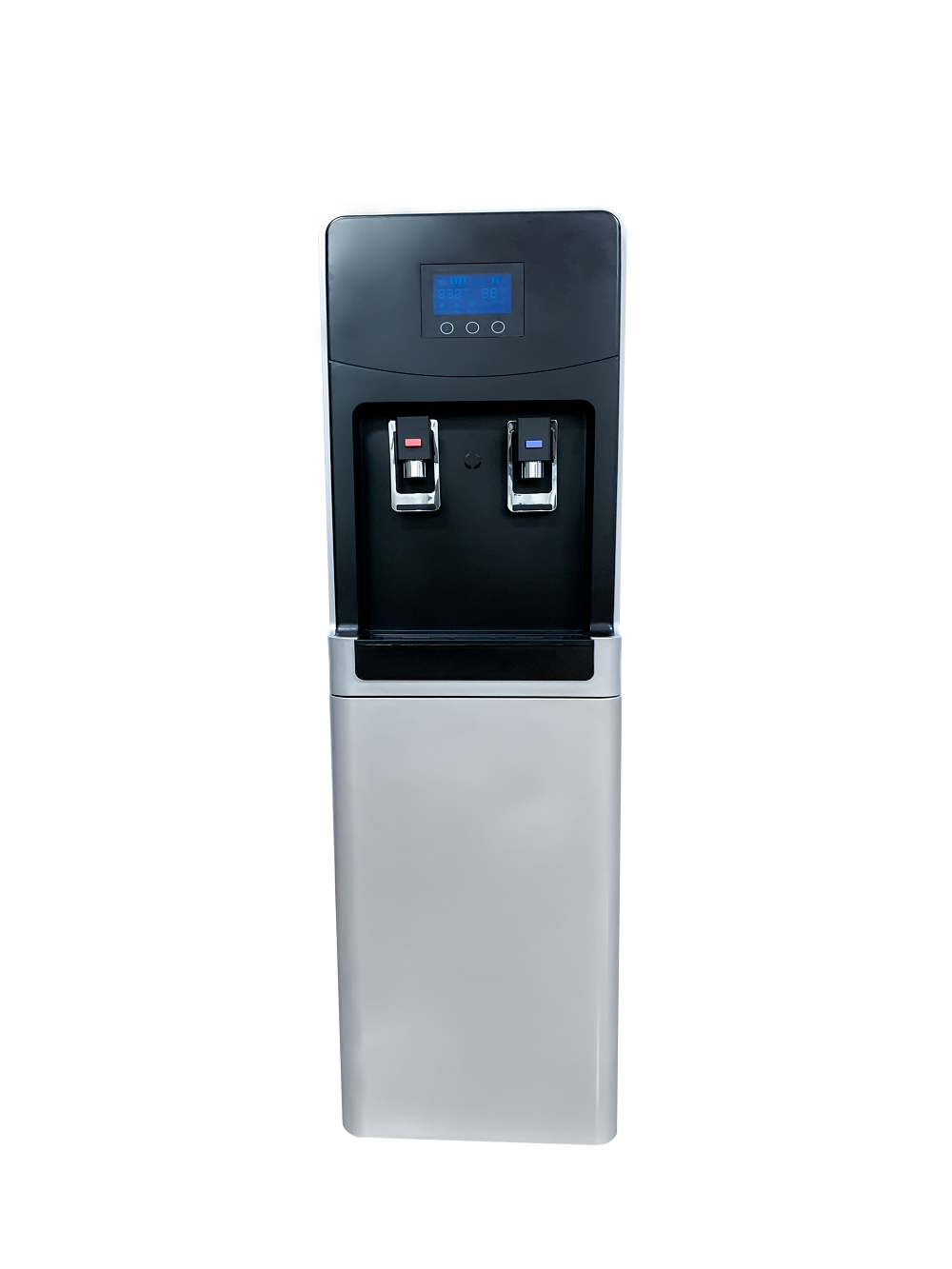
Your customers have seen small carbonators, and they know what those do: one bottle of sparkling water, and nothing else. But more people drink sparkling water than before — at home, in offices, in hotels and in restaurants — and that demand is already there, waiting for a machine that does more than one bottle. The decision is how to use one sample unit to close the sale: let visitors try it instead of reading Read more…
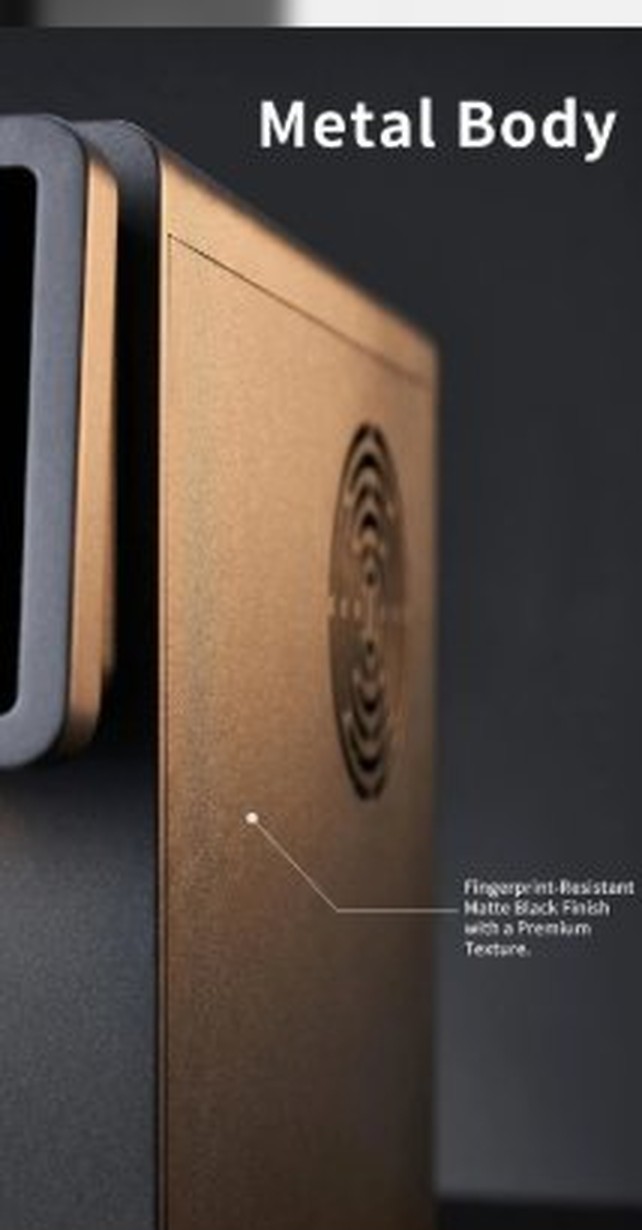
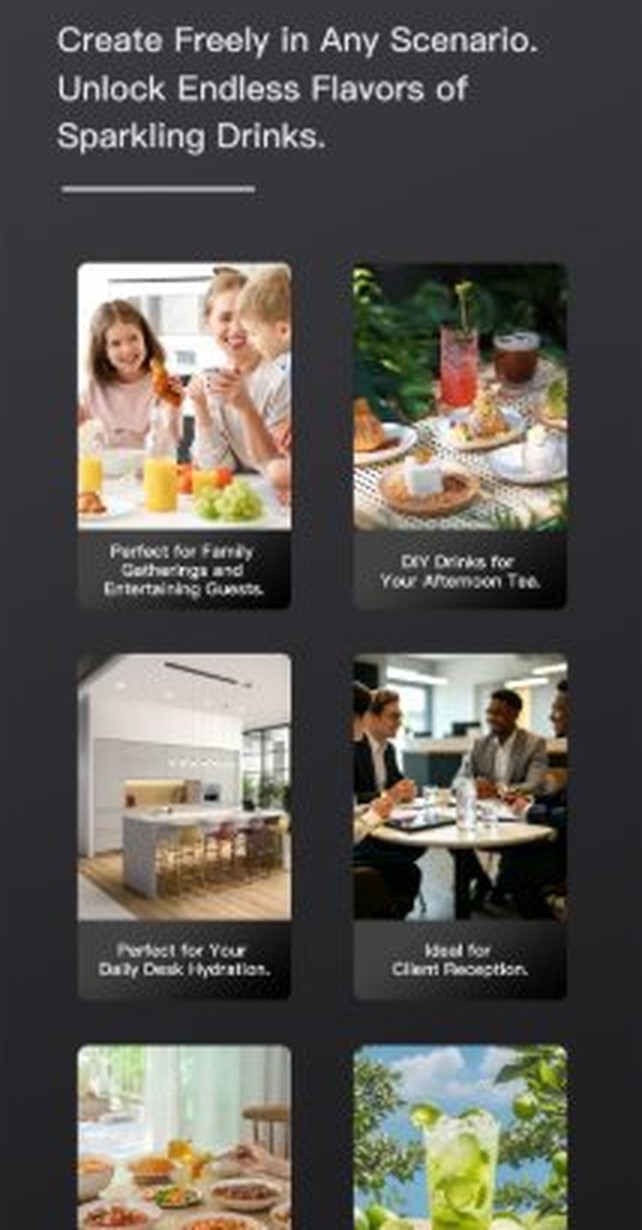
A Cafe Counter Has No Room to Spare: Fitting Five Waters on One Footprint

A cafe counter has no room to spare, and a rented shop cannot be replumbed. A small carbonator takes its place and makes one bottle of sparkling water, while the kettle, the cooler and the cases of bottled water still crowd the back room. And when the first cylinder empties, the sparkling stops until a refill turns up. The question is not whether the machine makes good sparkling water. It is whether the cafe can Read more…

Selling Sparkling Water to Family Homes: What the Buyer Asks First

A small carbonator is fine at home, as far as it goes. It makes one bottle of sparkling water, and the kettle and the cooler still crowd the counter. A dealer selling to family homes should check three things before recommending a machine: who drinks from it, who can reach it, and who keeps it running. The SD08 is made for a family to reach for through the day. Press the screen and ice-cold sparkling Read more…

Counting the Cost of an Office Water Setup: One Unit or Three Machines?

Tea in the morning, coffee through the middle of the day, cold water in the afternoon, and sparkling water when visitors arrive. That is the office day, and most offices answer it with three machines: a kettle, a cooler and a small carbonator, with cases of bottled water stacked by the front desk. Each one takes counter space and its own visit to install. The decision is not which machine makes the best sparkling water. Read more…

One Machine on the Lobby Counter: Five Waters, No Back Room

Breakfast is the busiest hour in a hotel lobby. Guests come down for tea and coffee, and more of them now ask for sparkling water too. A small carbonator makes one bottle at a time, and when the lobby is full the front desk has nothing to pour. The answer is usually cases of bottled water carried out from a back room. The question a hotel buyer should ask first is not how much sparkling Read more…

From Where We Get Water: Essential Tools & Solutions for Every Source

Understanding From Where We Get Water and Why It Matters Water is the single most important input in almost every operation, whether you run a bottling plant, a farm, a hotel, a construction site, or a household. Understanding from where we get water — a river, a well, a rooftop catchment, the ocean, or even the air itself — is the first step in building a supply system that is reliable, safe, and cost-effective. Each Read more…

From Where We Get Water: Sources, Safety & Aguachina Buying Guide

Water is the most basic input of daily life, yet few people can confidently answer the question, from where we get water for drinking, cooking, cleaning, farming, and manufacturing. The answer is not a single place but a network of sources: rivers and lakes, underground aquifers, harvested rain, desalinated seas, reclaimed wastewater, and treated municipal systems that deliver it to a tap. Each of these origins carries its own quality profile, its own contamination risks, Read more…

From Where We Get Water: Sources, Safety & Filtration Tools

Why Knowing From Where We Get Water Matters Turning on a kitchen tap makes the question of from where we get water feel almost too obvious to deserve an answer, yet that single detail quietly decides how safe, how tasty and how expensive every glass becomes. The same clear liquid can travel through a mountain reservoir, a hundred-meter borehole, a rooftop gutter or an energy-hungry desalination plant before it reaches your home, and each route Read more…

From Where We Get Water: Choosing the Right Countertop

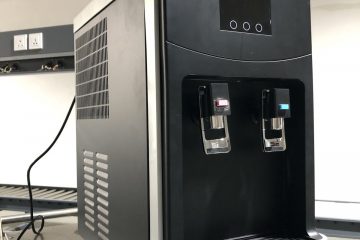
Understanding from where we get water dictates how commercial facilities treat, chill, and dispense it. Municipal grids, deep aquifers, and surface reservoirs deliver raw utility water with wildly variable chemical profiles. Facility managers cannot rely on ambient tap lines alone. Installing a point-of-use Countertop Water Dispenser bridges the gap between raw municipal infrastructure and clean drinking water. Compact countertop units offer direct thermal conditioning and multi-stage carbon block filtration without monopolizing square footage. Whether an Read more…